Full Basement Waterproofing in Minneapolis, MN
Waterproofing a whole basement in Minneapolis, MN usually means one of two routes: collect water inside with a perimeter drain and a sump, or stop it at the wall's outer face with a membrane. Describe your basement on the short form, and one independent local contractor will reach out to go over both.
Not sure if we cover your area? Check now ↓
Basement Estimate Request
Takes about 30 seconds. One local contractor gets it and contacts you.
Your details go to one independent contractor who works around Minneapolis, MN, and that contractor gets in touch with you directly. See our Referral Marketing Disclosure.
How a Basement Gets Waterproofed
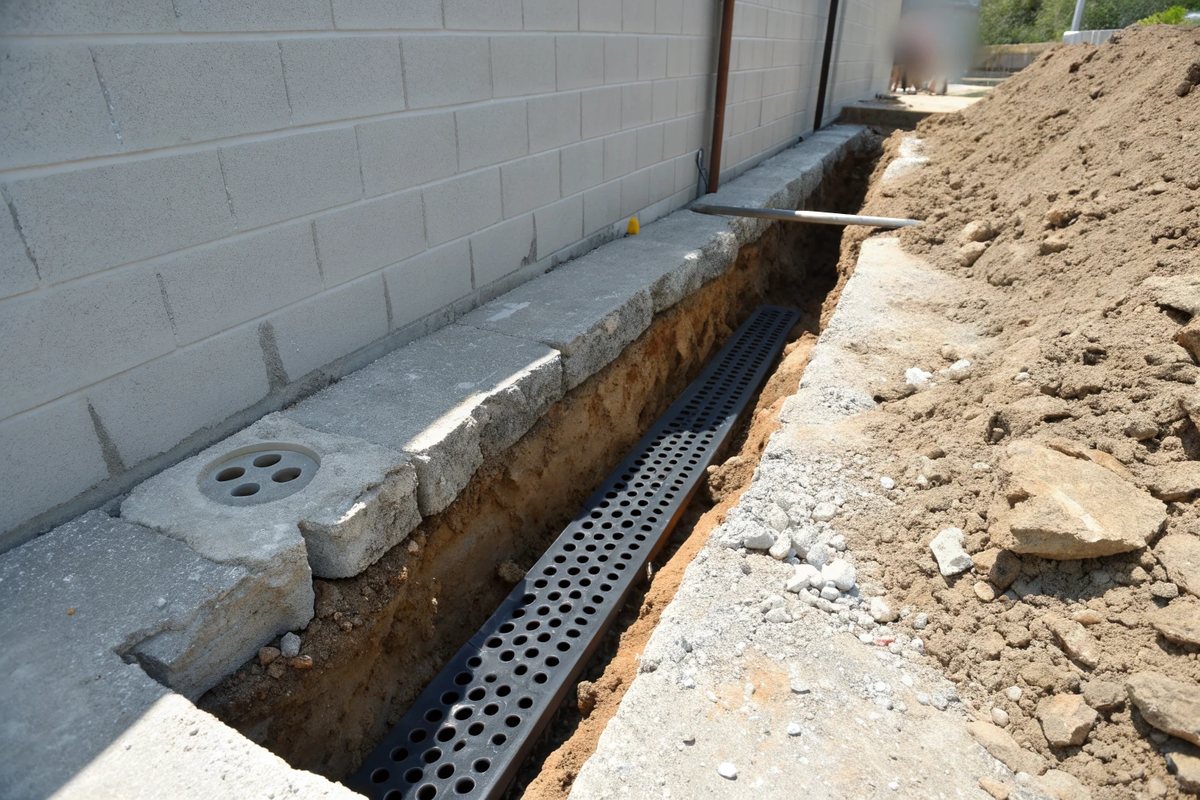
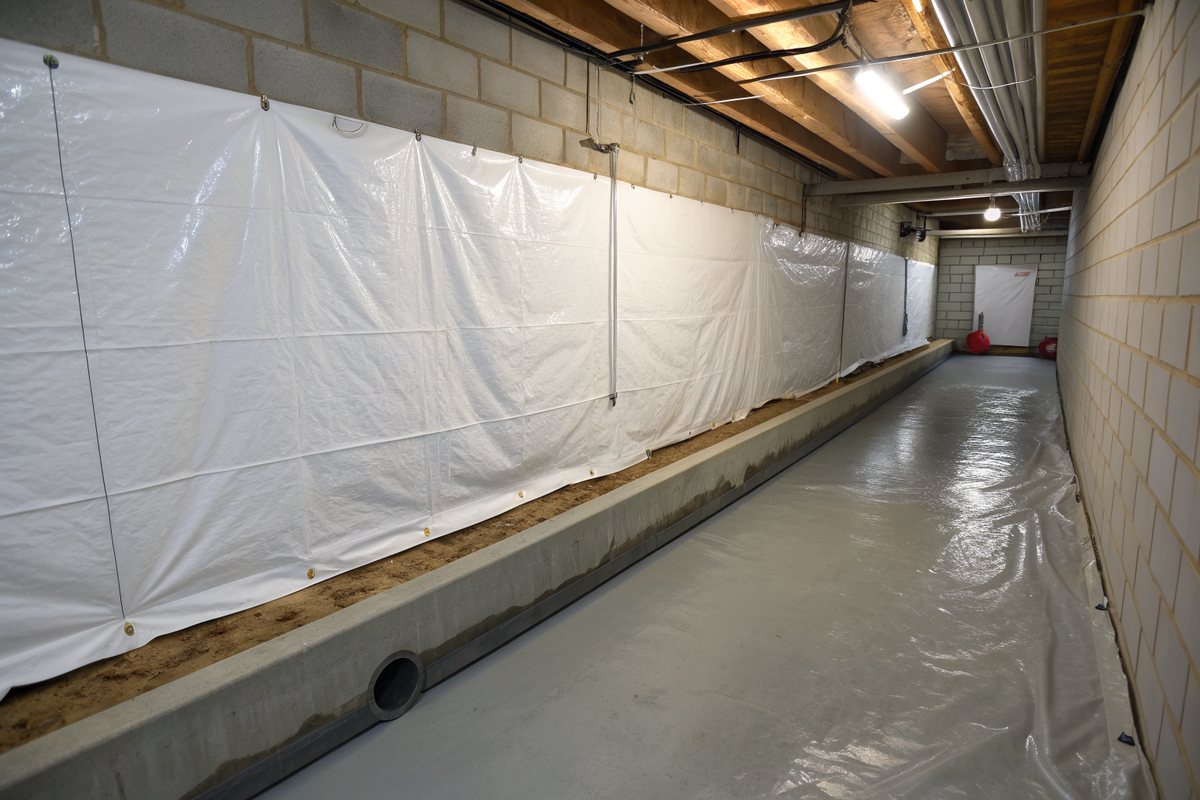
The inside route starts with a narrow channel cut through the slab along each wet wall. Perforated pipe bedded in washed stone gathers water at the footing and carries it to a pit, where a pump lifts it out to the yard.
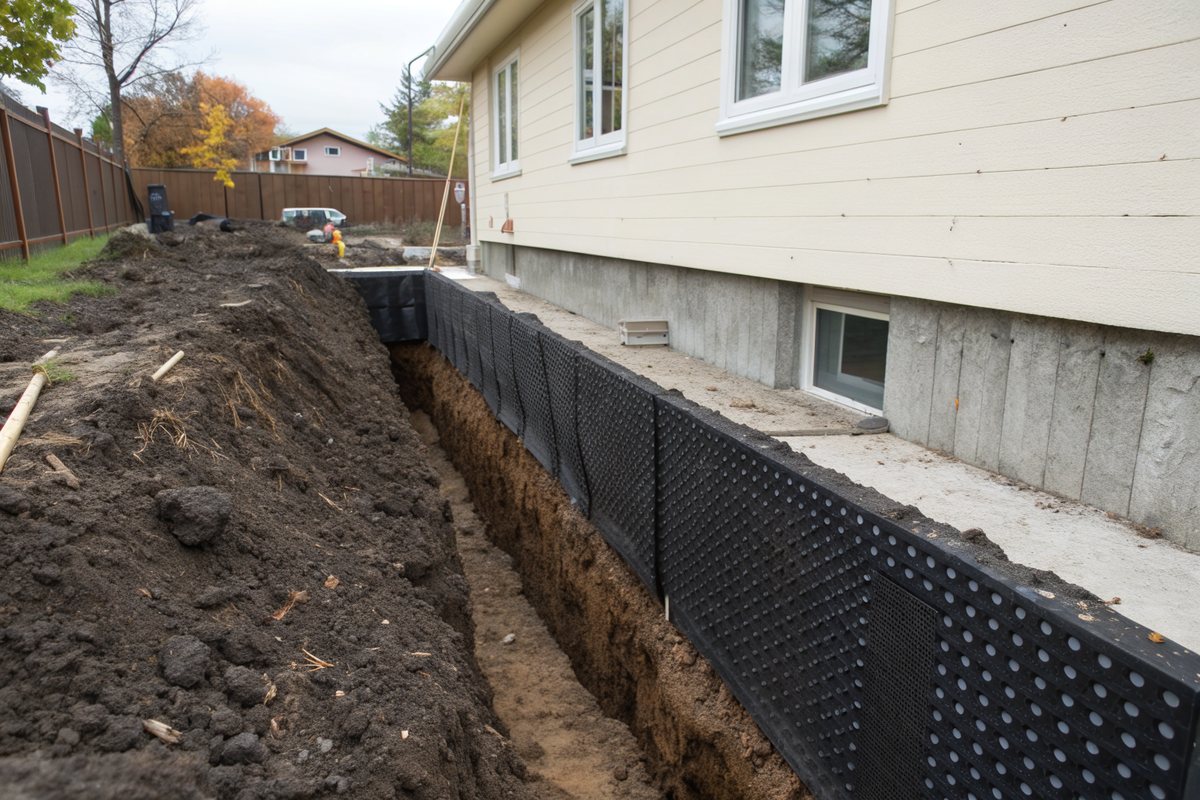
The outside route means excavating to the footing and coating the wall with a membrane, frequently with fresh drain tile at the base. It keeps the masonry itself dry; decks and steps beside the house add to the job.
The wall shapes the plan. Census survey data shows more than 4 in 10 homes in the City of Minneapolis were built in 1939 or earlier. Older stone, brick, clay-tile and block foundation walls are often part of that mix, and their joints can admit water at dozens of points, which favors a drain that catches it all low down. In the nearby suburbs, 1940s through 1960s block basements with aging drain tile are a more common starting point.
Winter adds its own load: frost can press on a wall's upper edge, and when snowbanks melt over still-frozen ground, the water runs down beside the foundation. MPR reported 90.3 inches of snow at MSP in 2022–23, the third-highest season on record. Clay-heavy soil can then hold it against a wall for days.
Waterproof paint rarely holds back water pushing from behind; pressure lifts the coating. Where walls are only damp and humid summers leave stored boxes smelling musty, a vapor barrier and a properly sized dehumidifier may be enough.
Common Situations
- A wet ring along the floor every April. A perimeter drain and sump give meltwater a way out.
- An old stone or clay-tile wall that weeps in patches. Catching water at the footing often beats chasing each joint.
- A yard with space to dig. An exterior membrane stops water before it reaches the masonry.
- Snow piled against the foundation. Shoveling it away and pointing downspouts outward are cheap first moves.
Cost Ranges in Minneapolis
| Cost row | Figure | Source (year) |
|---|---|---|
| Typical basement waterproofing project | about $3,000 to $10,000 (average about $5,000) | Fixr national (2026) |
| Interior perimeter drain, per linear foot | $40 to $120 | Fixr national (2026) |
| Sump pump installation | $600 to $2,500 | Fixr national (2026) |
| Epoxy crack injection, per crack | $250 to $1,000 | Fixr national (2026) |
| Waterproof paint or sealant, per sq ft | $1 to $8 | Fixr national (2026) |
These are Fixr's 2026 national rows; no Minnesota source is used, and none is this site's price. Digging outside has no sourced figure, so ask for it on its own line. The cost calculator gives a ballpark.
From First Visit to Finished Job
- First contact. Expect questions on which walls get wet and when.
- Outside and in. Gutters, grading and where snow ends up usually get checked along with the walls.
- Paper first. Minnesota requires a DLI licensee's estimates and contracts in writing: the work in detail, the specific materials, and the total price or the method for arriving at it. Written performance guidelines come before you agree; the contract is signed, dated and carries the license number, and your signed copy costs nothing.
- Money. DLI advises a modest deposit and calls full payment up front a red flag. Put dates, change orders and who gets permits in writing.
- Permits. Foundation and excavation work generally needs a building permit from whichever city the house stands in, and plumbing needs a separate permit pulled by a licensed plumbing contractor. Whether an interior drain or sump alone needs one is a question for Minneapolis Development Review (612-673-3000) or a suburb's permit office.
What Makes This Easier
You explain the basement once, and a single independent contractor answers with a visit and a price on paper. This site only refers and advertises: it holds no DLI license, does no waterproofing and signs nothing. The contractor may pay it a flat advertising fee; you never pay it or get anything from it.
Before signing, search the business on DLI's license and registration lookup or dial 651-284-5069. A number beginning "IR" is a registration rather than a license, and only a licensee's work can open the state's Contractor Recovery Fund, up to a limit set in state law, after a court judgment.
Basement Waterproofing Questions, Answered
Inside drain or outside membrane: which holds up better?
An inside drain is less disruptive and handles water rising at the floor seam; an outside membrane keeps the masonry dry but means opening the ground. Ask for a written reason one suits your walls and yard.
Where does the pumped water go?
Outdoors, onto ground falling away from your house and the neighbors'. In the City of Minneapolis, a sump or foundation drain hooked into the sanitary sewer has to come off it under a City rainleader disconnection permit. Any tie-in to a drain or sewer pipe is plumbing for a licensed plumbing contractor.
What belongs in the warranty?
Get it on paper: coverage, length and whether it transfers to a buyer.
Other Basement Fixes
Water in just one place may point to basement leak repair or foundation crack repair; the pieces of a whole system are explained on the sump pump installation and basement drainage pages.
Get a Written Waterproofing Estimate
On the form, mention the wet walls and whether trouble comes with the spring thaw, summer storms or all year. One independent local contractor will be in touch about seeing the basement and pricing the work on paper, and each choice after that is yours.